
How to Test Car Battery: Easy Steps to Check Your Battery Health
Is your car acting strange when you try to start it? Maybe the lights look dim or the engine sounds weak. These are common signs you need to know How to Test Car Battery performance. Many people get stuck because they think this is a hard job for mechanics. The truth is, you can check it yourself at home! By learning how to test car battery voltage, you save time and money. It also helps you avoid getting stranded on a cold morning. Follow this guide to keep your vehicle running smoothly all year long.
Why Should You Check Your Battery?
Your battery is the heart of your car’s electrical system. If it fails, your car won’t start. Knowing how to test car battery status lets you catch problems early. If you wait too long, you might need a jump-start or a tow truck. Regular checks are part of good car battery maintenance. A healthy battery usually lasts three to five years. By tracking its health, you can replace it before it dies completely. This simple habit keeps you safe and worry-free.
Tools You Need to Get Started
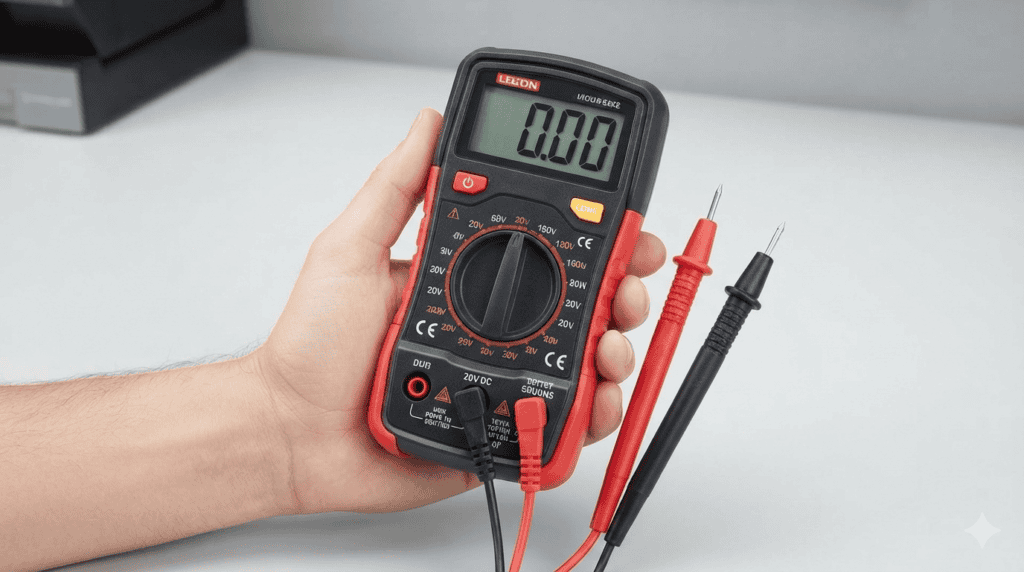
You don’t need a whole garage of tools to learn how to test car battery health. The most popular tool is a digital multimeter. It is affordable and very easy to use. Some people also use a dedicated battery tester for more detailed info. If you have no tools, you can still observe signs like slow engine cranking. However, using a multimeter is the most accurate way to see if your car battery voltage is healthy. Always wear gloves and safety glasses for protection when working.
Step-by-Step: How to Test Car Battery with a Multimeter
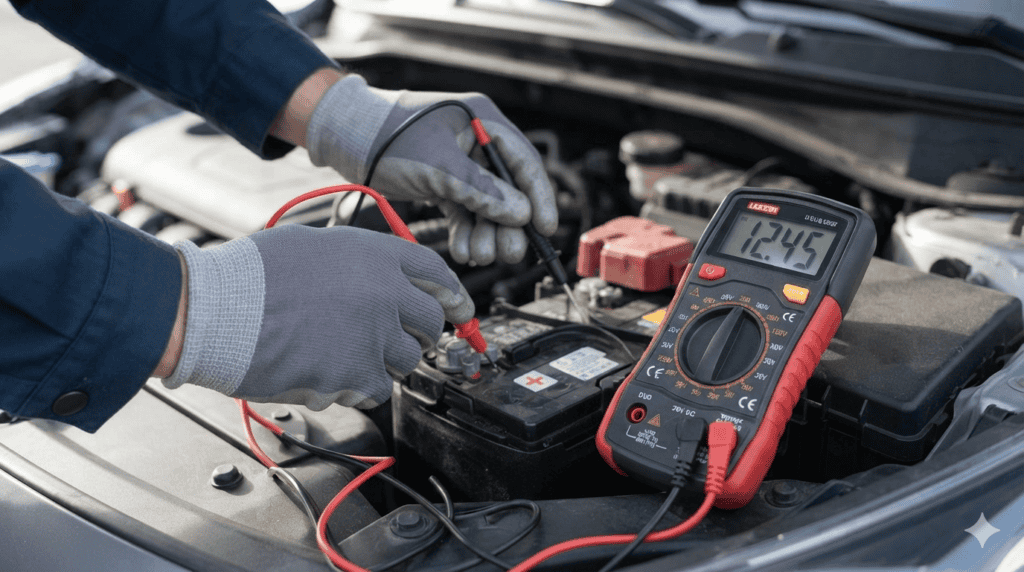
Testing with a multimeter is simple. First, turn off your engine and all lights. Set your multimeter to the DC voltage setting, usually at 20 volts. Touch the red probe to the positive (+) battery terminal. Touch the black probe to the negative (-) terminal. A healthy battery should show about 12.6 volts when the car is off. If it shows less than 12.2 volts, your battery might be low. This is the best way to understand how to test car battery power at rest.
Checking the Battery Under Load
Testing while the engine is off is great, but we should also check it while starting. Ask a friend to help you. Keep the multimeter probes on the terminals while they turn the key. The voltage will drop as the engine cranks. If it drops below 10 volts, your battery is likely weak or failing. This test shows how to test car battery reliability under pressure. If it drops too low, it is time to look into car battery replacement options soon.
Signs Your Battery is Dying
There are many clues that your battery is struggling. You might notice your headlights flicker or look dimmer than usual. Slow engine start-ups are another big warning sign. Sometimes you might even smell a “rotten egg” odor near the battery. If you see white, crusty stuff on the terminals, that is battery corrosion. Checking for these signs is a vital part of learning how to test car battery longevity. Don’t ignore these signals, as they rarely get better on their own.
What Causes a Car Battery to Die?
Many things can hurt your battery life. Extreme heat is a major “battery killer” because it causes internal damage. Short trips are also bad because the alternator doesn’t have time to recharge the battery fully. Leaving lights or electronics on while the car is off drains the power quickly. Even loose battery connections can cause issues over time. Understanding these factors helps you practice better car battery care and prevents premature failure.
Battery Health Table for Quick Reference
Use this table to see if your battery needs attention.
| Voltage Level | Status | Action Needed |
| Above 12.6V | Excellent | None needed. |
| 12.4V – 12.6V | Good | Monitor regularly. |
| 12.2V – 12.4V | Weak | Charge your battery. |
| Below 12.2V | Low/Bad | Recharge or replace. |
| Below 10V (cranking) | Failing | Likely needs replacement. |
Tips to Extend Battery Life
You can do a lot to make your battery last longer. Try to drive your car for longer trips instead of many short ones. Keep the battery clean and free of dirt. Make sure the battery is held down tightly so it doesn’t vibrate. Use a battery tender if you plan to leave your car sitting for a long time. These simple steps make how to test car battery results much better in the long run.
When to See a Professional
Sometimes, DIY testing isn’t enough. If your battery keeps dying even after a full charge, your alternator might be the problem. A professional mechanic has special tools to test the charging system. They can tell you for sure if the battery is the cause. If you aren’t comfortable with electrical work, it is always okay to ask for help. Safety should always be your top priority.
Final Thoughts
Learning how to test car battery health is a skill every driver should have. It gives you peace of mind and helps you avoid unexpected trouble. By checking the voltage, looking for signs of a bad car battery, and keeping terminals clean, you stay in control. Start testing your battery today and enjoy a more reliable ride! Do you have any questions about your battery? Let us know in the comments below!
Frequently Asked Questions (FAQs)
1. How often should I test my car battery?
It is a good idea to check your battery every six months or before any long road trip.
2. Can I test a car battery without a multimeter?
Yes, you can look for symptoms like slow starting or dim lights, but a multimeter gives you an exact number.
3. What is a “good” voltage for a car battery?
A fully charged, healthy car battery should read at least 12.6 volts when the engine is off.
4. Why does my car battery die in cold weather?
Cold weather slows down the chemical reactions inside the battery, making it harder to provide the power needed to start the car.
5. Is it safe to clean battery corrosion myself?
Yes! You can use a mix of baking soda and water with a wire brush to gently scrub the corrosion away.