What is Non-Medical Home Care? A Simple Guide for Families
As we get older, simple tasks can become quite tricky. Maybe your grandmother struggles to cook dinner, or your father has trouble cleaning the house. This is where Non-Medical Home Care comes in to save the day. It is a special service that helps seniors live comfortably in their own homes for as long as possible. These caregivers are not doctors or nurses, but they are trained, kind people who offer a helping hand with daily living. By choosing this support, your family can feel at peace knowing your loved ones are safe and happy in their favorite place: home.
What Exactly Is Non-Medical Home Care?
Non-medical home care is simply help with daily tasks for people who do not need hospital-level medical treatment. Think of it as having a friendly, reliable assistant visit your home. They might help with chores, getting dressed, or just sitting down for a nice chat. This type of care is perfect for seniors who want to maintain their independence but need a little extra help to do so safely. Unlike medical care, these services focus on making life easier, cleaner, and much more enjoyable every single day.
Helping with Activities of Daily Living (ADLs)
Many seniors find it hard to handle personal care on their own. These tasks are called Activities of Daily Living, or ADLs. This includes bathing, grooming, and getting dressed in the morning. A professional caregiver provides gentle support with these private tasks. Having someone there makes these activities safer and much less stressful for everyone involved. It allows your loved one to stay clean and comfortable while keeping their dignity intact. They won’t have to worry about slips or falls because a friendly helper is always nearby to provide support.
Light Housekeeping and Home Organizing
A cluttered home can be dangerous, especially for seniors who might trip or fall. Non-medical home care providers often help with light housekeeping to keep the living space safe. They can vacuum floors, dust shelves, or help organize kitchen cabinets to make things easier to reach. Keeping a home tidy reduces the risk of accidents and makes the environment much more relaxing. A clean home helps your loved one feel proud and happy in their surroundings. It also means you won’t have to rush over to do the cleaning yourself!
Healthy Meal Preparation Services
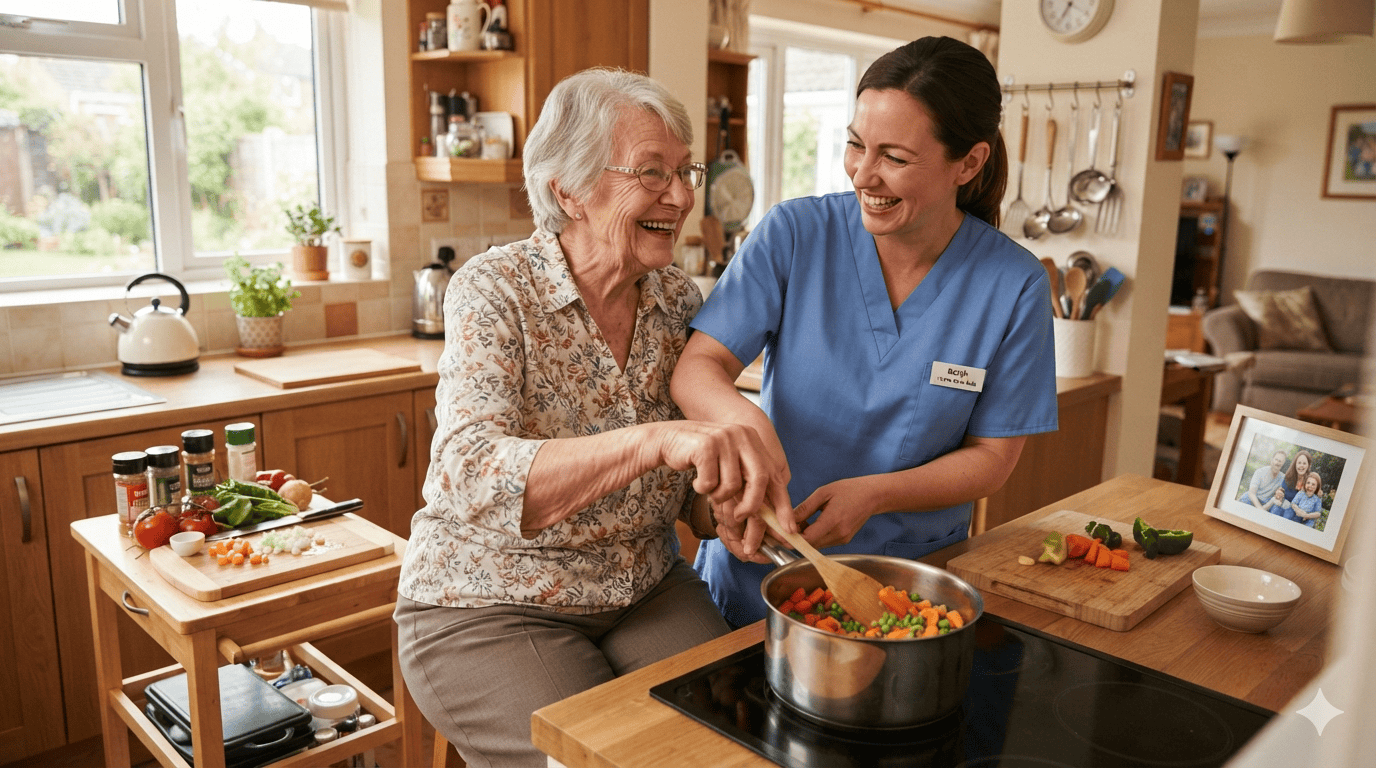
Eating well is very important as we age, but cooking can be exhausting. Many seniors eventually stop eating nutritious meals because they cannot easily chop vegetables or stand at the stove. With non-medical home care, a caregiver can help prepare healthy, delicious meals that meet your loved one’s dietary needs. Whether it is a heart-healthy lunch or a diabetic-friendly dinner, these helpers make sure your family member gets the nutrition they need. They can even help with grocery shopping to ensure the pantry is always stocked with good, fresh food.
Medication Reminders and Management
Missing a dose of medicine can be very risky for an older person. Caregivers who provide non-medical home care can help keep track of pill bottles and schedules. While they cannot give shots or medical advice, they are great at giving friendly reminders. They can prompt your loved one to take their pills at the right time each day. This simple, consistent support helps avoid dangerous medication mistakes. It provides a huge sense of relief for you as a family member, knowing that your loved one is staying on track with their health routines.
Companionship to Reduce Isolation
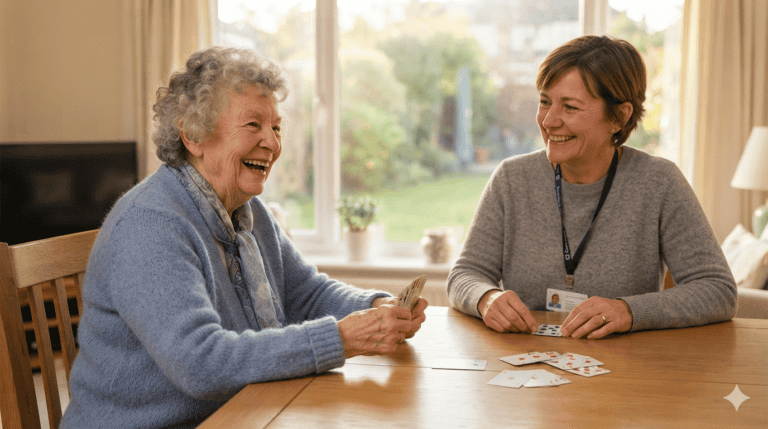
Loneliness is a big problem for many seniors who live alone. One of the best parts of non-medical home care is the gift of friendship. Caregivers provide meaningful social interaction, which is vital for mental health. They might play games, look at old photo albums, or just share a cup of tea and a story. This friendly companionship helps stave off feelings of sadness and keeps your loved one feeling connected to the world. It’s not just about the tasks; it’s about having someone who truly cares about their happiness.
Reliable Transportation for Errands
Giving up driving is a major challenge that affects a senior’s freedom. If your loved one can no longer drive, non-medical home care can provide safe, reliable transportation. Caregivers can drive them to doctor appointments, church, or even just out for a relaxing lunch with friends. This service keeps them active and involved in their community, which is so important for long-term health. Instead of feeling stuck at home, your family member can continue to do the things they love with a safe driver by their side.
Supporting Family Caregivers with Respite
Caring for a parent or grandparent is a rewarding job, but it is also very tiring. You might find yourself feeling burnt out from balancing your own work and family life. Non-medical home care offers “respite care,” which gives you a well-deserved break. During this time, a professional steps in to cover the care duties. You can take a nap, go for a walk, or run errands without any worry at all. This balance makes you a better, more patient caregiver when you return. Remember, you cannot pour from an empty cup!
Preventing Falls and Enhancing Safety
Falls are the leading cause of injury for people over age 60. A professional caregiver is trained to spot potential hazards, like loose rugs or poor lighting. By providing non-medical home care, you get an extra set of eyes on the home environment. Caregivers can assist with walking and moving around, which helps maintain balance and coordination. This proactive approach significantly lowers the risk of accidents. It makes the home a fortress of safety, allowing your loved one to move around with much more confidence and security.
Cost-Effectiveness of Home Care
Many people think that moving to a nursing home is the only option, but that is rarely true. Non-medical home care is often a more affordable way to support your loved one. Because you only pay for the hours or services you actually need, you don’t have to cover the high overhead of a facility. Most families pay out of pocket, but programs like long-term care insurance or veterans’ benefits can sometimes help. It is a flexible, budget-friendly way to ensure your loved one gets high-quality, personal attention in the place they love most.
Comparison of Care Options
| Feature | Non-Medical Home Care | Nursing Home |
| Environment | Familiar Home | Facility/Room |
| Focus | Daily Living Tasks | Medical/Clinical Care |
| Cost | Flexible (Hourly) | High (All-inclusive) |
| Independence | High | Limited |
Frequently Asked Questions (FAQs)
- Does insurance cover non-medical home care?
Usually, Medicare does not cover these services, but some veterans’ benefits or long-term care insurance policies might. It is best to check your specific plan. - Can a caregiver help with medical needs?
No, non-medical home care focuses on daily tasks like cleaning and cooking. They do not provide clinical procedures like injections or wound care. - How do I choose the right agency?
Look for a licensed, bonded agency. Read reviews and ask for a free assessment to see if their caregivers are a good personality match for your loved one. - Is it expensive?
Costs vary by location, but because it is hourly, it is often cheaper than moving to a facility that provides 24/7 care. - What if my loved one refuses help?
Start small. Ask for help with just one task, like driving or cleaning, to help them get comfortable with a new person in the house. - Can I hire a private caregiver?
Yes, you can, but hiring through a professional agency usually ensures that the caregivers are background-checked, trained, and insured for your protection.
Conclusion
Deciding to use non-medical home care is a loving choice that prioritizes your family member’s independence and happiness. It provides the support needed to stay safe while keeping the comfort of home alive. By bringing in a trusted helper, you are not just managing chores—you are improving their quality of life every single day. If you are ready to explore your options, reach out to a local agency for a consultation. Taking this first step today can lead to a brighter, safer, and more peaceful future for your entire family. Why wait when you can start improving their daily life right now.